AI Ethics
MAI Podcast
AI in Missions
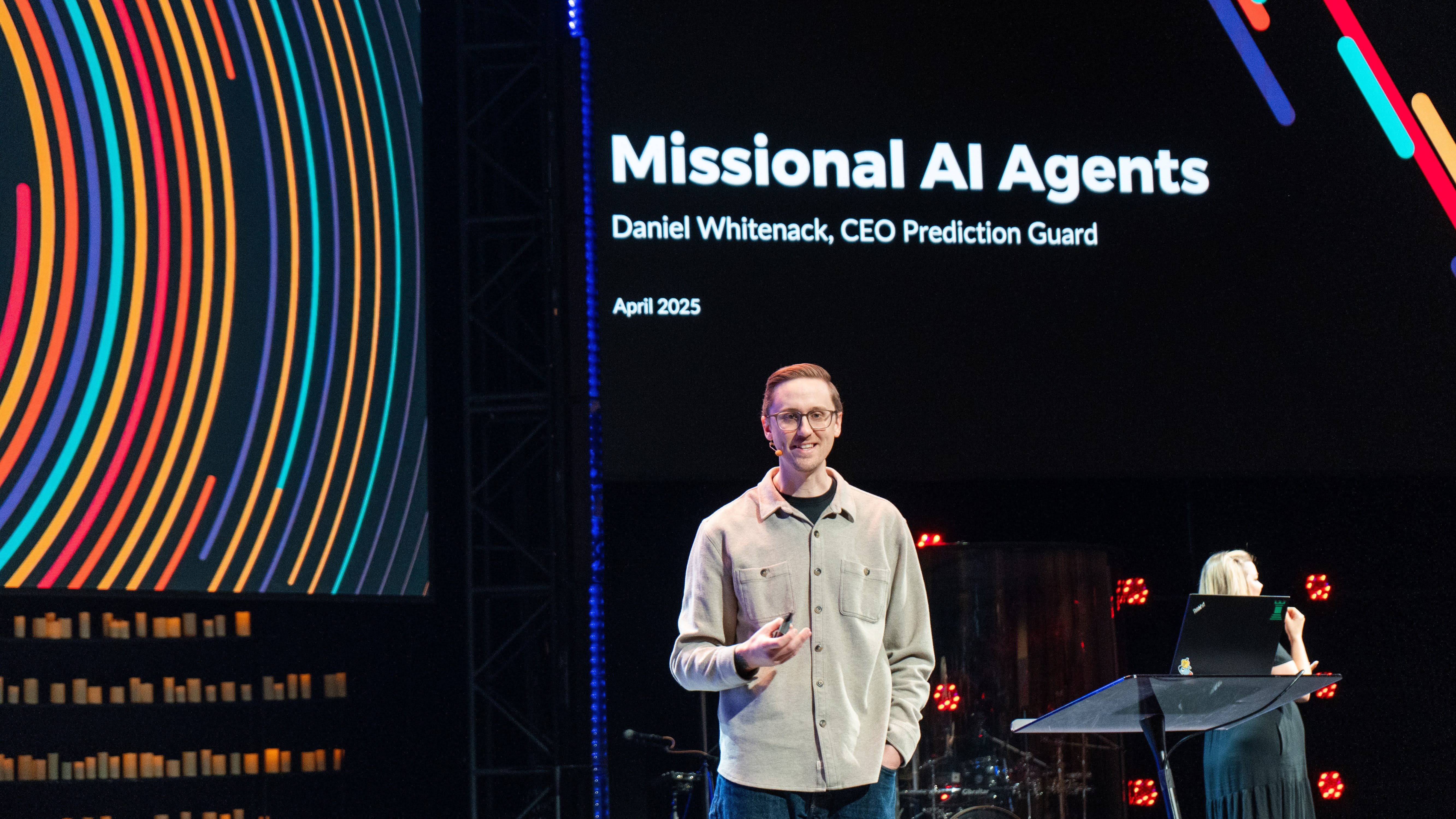

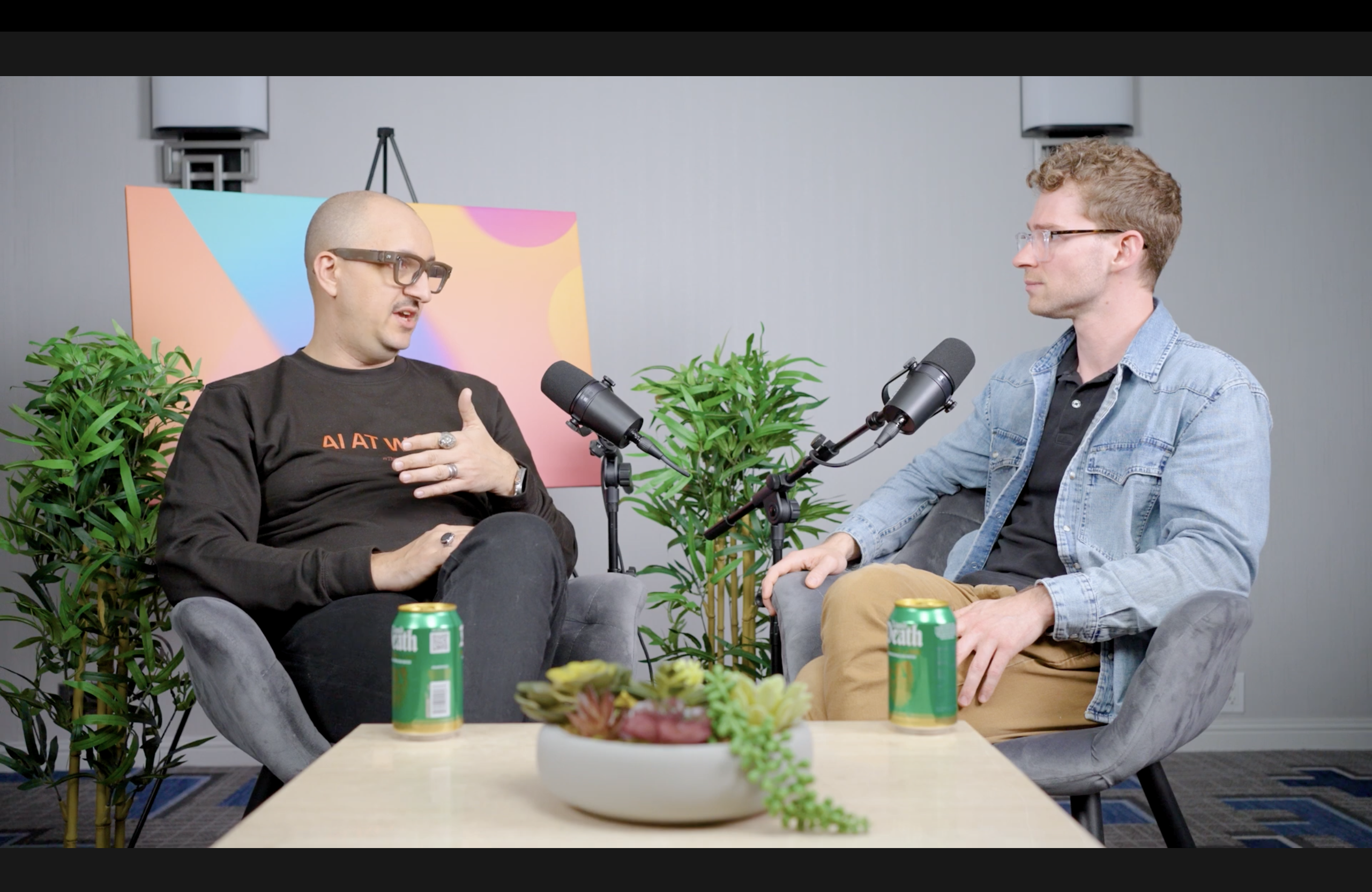
In our inaugural episode of the Global Missional AI Podcast, Daniel Whitenack explains what separates a true AI agent from an automated workflow, and why that distinction matters for Bible translation and digital engagement.
Daniel is CEO of Prediction Guard, co-host of the Practical AI Podcast, and the founder of the Missional AI Summit, the community that brings together technologists, ministry leaders and innovators shaping how AI serves the faith ecosystem. We sat down with him on the floor of Missional AI 2025, just hours after his mainstage keynote.
The conversation covers four big ideas: what an AI agent really is, the rise of "vibe coding," how Model Context Protocol (MCP) is becoming a shared language for AI tools, and what all of this means for the people doing the work of mission.
An AI agent plans its own steps toward an outcome and chooses which tools to use, rather than running the same fixed sequence every time.
Daniel admits that if you search LinkedIn, you'll find as many definitions as times you look. His working distinction is simple. An AI-driven workflow follows a pre-configured path: drop a file in a SharePoint folder, it moves through set steps (perhaps calling a language model to reformat something), and the result lands in a database. The same thing happens every run.
An agent is different in two ways:
His example: ask an agent to book a rental car, and it might use a booking API, a payment service and your email to confirm. Ask the same agent for your confirmation number, and it simply checks your email. Same agent, different plan, because the goal changed.
Vibe coding means describing what you want and letting an AI agent build it from a blank slate, iterating on the prompt until it works.
Daniel traces the progression. Developers have long worked in an IDE, a text editor for code that gradually added autocomplete and function lookups. Tools like GitHub Copilot then let developers write a comment such as "create a function that pulls this from the database" and get the code. That is still code assistance: the developer drives, and stays in the flow of programming.
The newer shift, with tools like Cursor, Windsurf, OpenHands and Replit, is different. You say "create a web app for a software company with an admin panel," and the agent starts building. If it doesn't work, you adjust the prompt and run it again. The term comes from Andrej Karpathy, the OpenAI co-founder, who described giving in to the vibes and no longer thinking about the code.
Daniel's honest take on where it works today:
The same agentic approach can open powerful but hard-to-use ministry tools to people who aren't technical.
Daniel calls this one of the most encouraging things about working in the missional space. Bible translation and digital engagement have produced many strong tools over the years, but they often come with complex interfaces and a steep learning curve.
Put those tools behind an orchestration layer, and a translation consultant could simply ask for a custom report that pulls several Paratext projects together and outputs the result where they need it. The catch: it depends on the missional community building the right interfaces so these systems can be called by an agent. Daniel heard many people at the summit already talking in exactly that direction.
You don't need to track every release daily; what matters will survive the noise and filter into organizations over months and years.
We recorded the week Meta dropped its Llama 4 models on a Saturday afternoon. At Prediction Guard, which runs secure, private generative AI infrastructure for regulated and security-sensitive organizations, customers immediately asked whether they could deploy the new models. Daniel still counsels calm: curiosity is good, but adoption takes time, and the hype naturally sorts itself into what lasts.
Open models are reaching parity with closed ones, so the advantage lies in integration, alignment and data, not in any single model.
Daniel reads the DeepSeek moment less as a story about one company and more as a signal: open models like DeepSeek and Llama are catching up with closed models from Anthropic and OpenAI. His advice for organizations choosing partners:
He notes that most providers now follow an OpenAI-style API, which makes switching far easier than it used to be.
Model Context Protocol (MCP) is a shared standard that lets any AI agent talk to any tool, so each connection doesn't have to be built by hand.
Developed by Anthropic and now widely adopted, MCP is, in Daniel's words, almost boring, and that's the point. It isn't an AI system; it's a protocol. He compares it to USB-C, which lets devices from different manufacturers share one port, or to HTTP, which lets any browser talk to any web server.
Before MCP, connecting an agent to email, a payment service or Notion meant custom work against each API. With an MCP server in front of a system, any agent can use it, and once someone publishes a server for a tool, everyone else can reuse it.
Daniel sees three categories worth building:
Alongside these, missional teams can draw on the "common grace" of general-purpose servers the wider industry is already building for databases and productivity tools.
Agents should take on the work ministry staff don't want to do, so they can spend their time on the relational work that matters most.
Daniel expects automation to reshape some roles, especially lead generation on the go-to-market side. But in digital engagement, the real bottleneck is human follow-up capacity. He spoke with ministries at the summit that would happily raise their ad spend if their follow-up teams could handle the volume.
Those teams don't want to spend five hours pulling data or writing reports. Let agents handle that periphery, and the people in the loop are freed for the high-value conversations with seekers. As our host summed it up: not fewer humans, but less of the work those humans don't want to do, and that unlocks greater scale for the mission.
This conversation was recorded the same day Daniel opened the Missional AI 2025 mainstage with his keynote, What The X-Files Can Teach Us About the Future of AI Agents.
The fifth annual summit ran April 8–10, 2025, in Plano, Texas, under the theme "AI Collision – Shaping the Future Together." Daniel's talk on agentic AI was the first keynote of the event, following the opening address.
In it, he showed how agents can be chained together toward real outcomes, with Bible translation as a working example of what our host called a "vibe translation" way of working. If this episode gives you the "what," the keynote shows you the "how." Watch it alongside this conversation for the full picture.
Missional AI exists because talented people across the missional world were solving the same problems in silos.
Daniel traces the movement's roots to chatbot workshops he and a colleague ran around the world. Again and again they found one group had learned something valuable while another, elsewhere, was stuck on the very same problem, and the two never talked.
Today he sees two encouraging shifts. Early attendees who came with aspirations now bring years of real implementation. And newcomers are arriving from industry, academia and nonprofits. That crossing of boundaries, he says, is where the magic happens, and where God brings people together in a real spirit of unity.
Listen to the full episode with Daniel Whitenack on the Missional AI Podcast, and subscribe so you don't miss future conversations.
Want to be in the room for the next one? Join us at the Missional AI SV27 Global Summit, March 30–April 1, 2027, at the Hyatt Regency SFO. Find out more at missional.ai.
This episode was made possible in partnership with Gloo, the technology platform connecting the faith ecosystem.