AI Ethics
MAI Podcast
AI in Missions
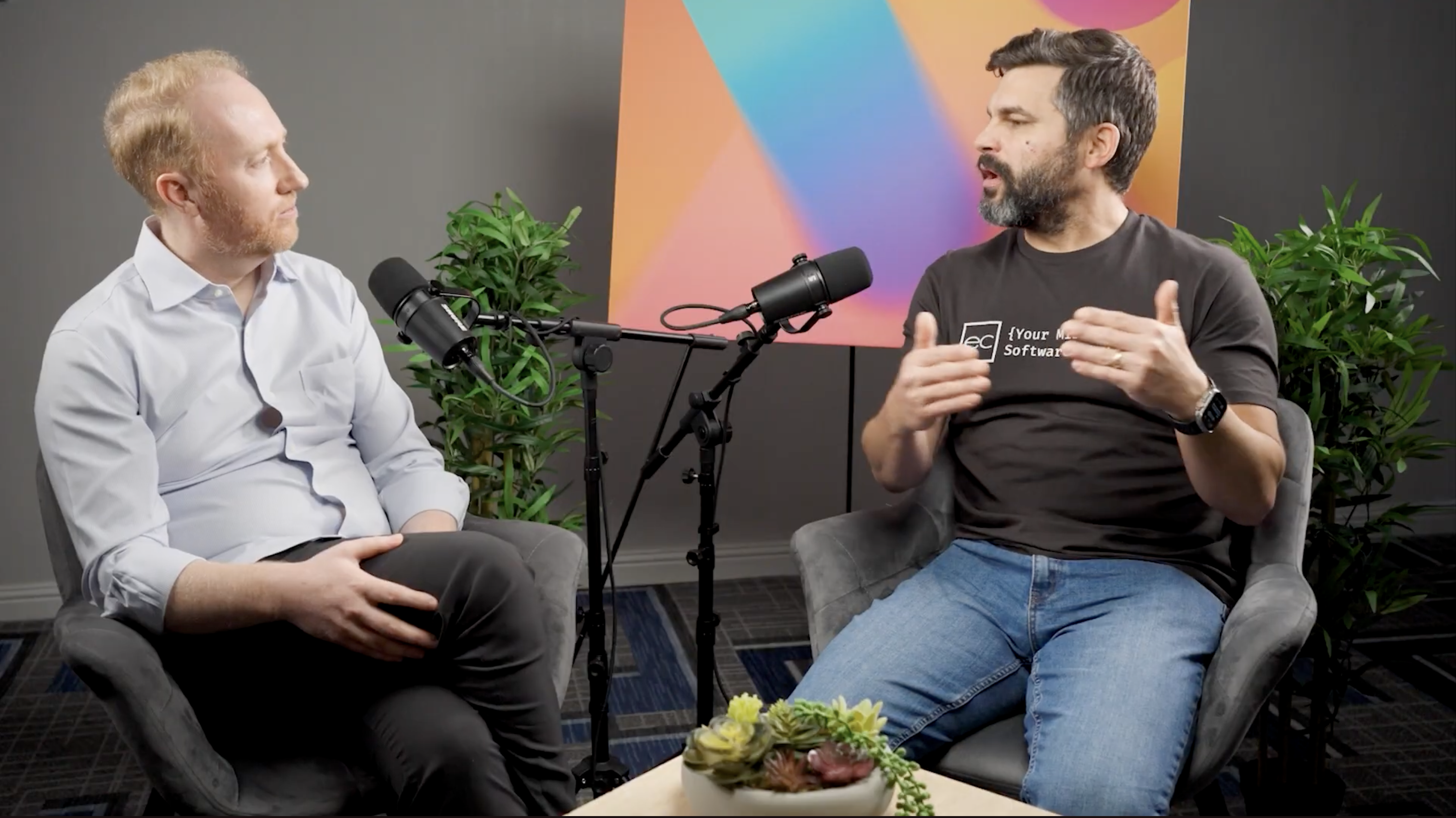

What happens when a leader realizes that fear of AI has quietly switched off his creativity? For Mike Sudyk of EC Group, naming that fear was the turning point.
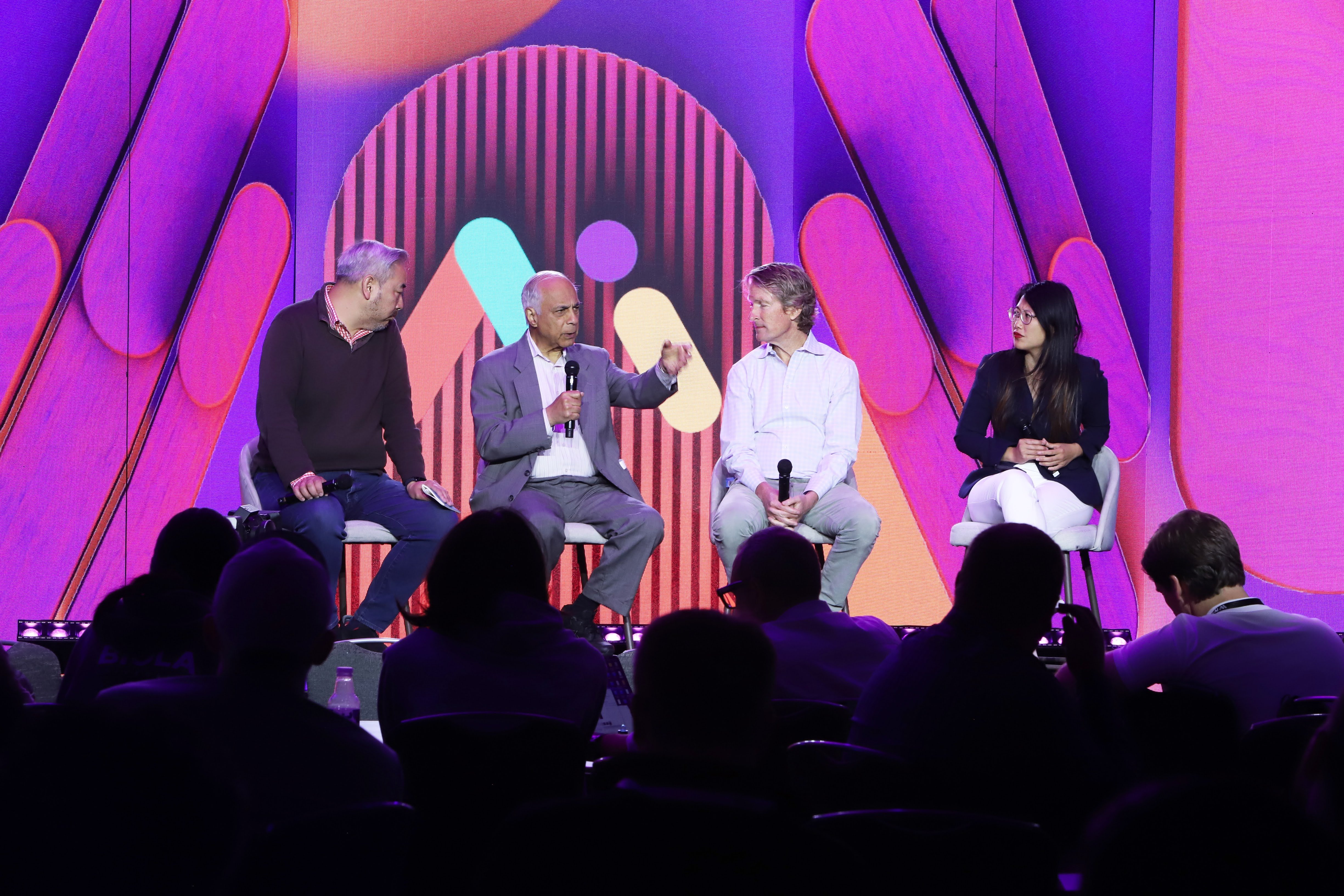
Recorded live at the Missional AI 2026 Global Summit in Santa Clara, this episode features Stuart Cranney in conversation with Mike, who leads EC Group, a mission-based software company that has served faith-based and mission-driven organizations for 27 years. Mike shares EC Group's remarkable origin story, how it's pulling its teams and clients toward AI without losing its people-centric commitment, why the honest answer lies between the hype and the fear, and his own wake-up call.
EC Group began as a for-profit business with one purpose: to fund missional work in India. That purpose hasn't changed.
Mike admits his story might challenge some people's theology. In 1999, his father, a Michigan serial entrepreneur, heard what he describes as an audible voice from the Lord telling him to go to India. He traveled with someone from Mission India, and through a series of what Mike calls God-ordained steps, started a business there. Its sole purpose was to be a for-profit company funding missional work in the country, and that remains "100% pure to the core" of what EC Group does today.
The business began in medical transcription, typing up doctors' audio files for hospital chains in the Miami area. A few years in, a contact invested in a software startup asked whether EC Group could use its India infrastructure, including HR, admin staff and office space, to hire developers. They hired one, then another, and realized this was the pivot they needed. Since about 2003, EC Group has focused on staff augmentation, consulting and software development. Mike joined in 2012 and took over in 2018.
Treating people well led to high retention, and that long-term team stability is still valuable in the AI era.
Because EC Group was founded as a mission, it uses its profits to fund ministry, but it also invests in its own people, seeing the business and its employees as a source of impact. One result was unusually high employee retention.
That turned out to be a major value for clients. EC Group repeatedly heard from companies who had worked with a contractor for a year, only for that person to disappear, or who had hired a developer who left for a better offer from Google, forcing them to start over. EC Group's teams have to be technically strong, but their longevity was a big part of what clients were buying.
Much about AI's future is unknown, but Mike believes that value remains. As developers write less code by hand and orchestrate AI agents instead, a stable, adaptable team that understands a client's core business is still extremely valuable. So EC Group is investing in upskilling and training its people to preserve that longevity.
Being people-centric is a core value, but it comes with tension. Some senior developers have been hesitant to adopt new tools, and EC Group has had to press them, saying this is the future and we need to move forward. Learning to do that well has been its own journey.
Instead of waiting for clients to lead, EC Group chose to drive AI adoption, starting with safe spaces and hackathons.
Many of EC Group's clients have been, in Mike's words, "pretty healthily behind the curve," wary of AI tools for good reasons like security and code maintainability. As recently as late last year, a big share of clients were in that camp. So EC Group decided it couldn't move at that pace. It had to pull clients toward the new tools, the opposite of its usual approach of following client preferences.
Its HR team had already spent about two years running micro-learnings, bringing in outside resources and having teams share what they were learning. But internal resistance remained, and two things made the biggest difference:
Everyone is still learning, Mike says, and it changes every day. But the goal is to foster a willingness to learn in an appropriate way, because you can't vibe code everything, especially enterprise-level systems.
The truth about AI lies somewhere in the middle, and both extremes lead to trouble.
How does EC Group stay people-centric while embracing AI's opportunities? Partly by default, Mike says, because its leadership is aligned on why it exists. It's also selective about clients. Some companies seek offshore providers only to get the cheapest possible team and exploit it. EC Group chooses not to work with them, in line with another core value: think long term.
Mike agrees with YouVersion's Bobby Gruenewald, who spoke at the summit: the goal isn't to do the same work with fewer people, but to ask what more can be done now. That matters for adoption. Developers naturally worry that if AI can do a week's work in a day, clients won't need them. Mike's message: it's not 100% accurate, and claims that you can build a full software product in minutes are hype. But there is an achievable middle, and EC Group tells clients it can get even more done by adopting these tools sustainably, because it's people-centric, purpose-driven and thinking long term.
In software, Mike says, non-technical buyers can be the hardest to serve: they underestimate how long things take and often describe only half the requirements. Likewise, "someone who's drunk too much AI Kool-Aid is a bad buyer" because their expectations are unrealistic.
Both extremes are dangerous. Dismiss AI as overhyped and only sprinkle in a few tools, and you miss the real gains. Go "full bore," cut headcount and promise too much, and you'll fail to deliver. So EC Group runs small experiments to build a culture of learning: getting an accurate picture of what the tools can do, encouraging adoption and feeding that experience back to clients. Whether a client is overhyped or underhyped, EC Group can bring them to a realistic middle based on what it has actually seen work.
Mike realized that anxiety about AI had quietly shut down his creativity, until he set aside time to build.
Asked whether the pace of change demands more time for learning and experimentation, Mike gets candid. His HR team had led most of EC Group's AI learning, but he hadn't gone deep himself. Early this year, as models made big leaps, he cleared his calendar for several days with no meetings, and just built products and experimented.
In the process, he discovered something about himself. He had let anxiety and fear build up about what AI might do to his business, "like an existential threat." That fear had switched off the creative, innovative side of his brain. He notes there's science behind it: fear pushes us into fight-or-flight mode. He didn't even realize it was happening until he got his hands dirty building. As he did, the fear began to fade, and he got a realistic sense of where things stood.
Fear and anxiety can be helpful in the right doses, Mike says. But constant hype, the claims that AI will take every job and software developers won't be needed, makes it almost impossible not to be affected. Sometimes you need to step back, turn off the hype train and get a realistic picture.
His advice: "Be self-reflective about whether fear and anxiety have been disproportionately creeping in, and what are the ramifications of that?"
Mike finds gatherings like Missional AI deeply encouraging, because they mirror what EC Group tries to do: bring technology leaders together to share how they're applying these tools. Large organizations are not only describing their work but also wrestling with its theological and psychological implications, while staying optimistic about what these tools can do. When YouVersion opens its Bible platform as a tool for others, he sees the kind of collaboration the faith ecosystem needs. Groups like FaithTech are fostering that conversation too, and Mike believes more of it can happen.
This episode is sponsored by EC Group, a mission-based software company. For 27 years, EC Group has been a missional software partner to faith-based and mission-driven organizations, extending their engineering capacity and advancing their kingdom work in Scripture engagement, discipleship, outreach and ministry innovation. Connect with the team at ecgroup-intl.com.
Conversations like this happen when we gather in person. Join us at Missional AI SFO27, March 30–April 1, 2027, at the Hyatt Regency San Francisco Airport. Super early-bird pricing is available through October 8, and early-bird pricing continues for the rest of the year. Register at missional.ai.