What if the greatest threat to your mission isn't a lack of passion or funding, but a silent crisis in your donor database? Most nonprofit leaders believe their donor retention is good. Look closely, though, and most are losing 40% or more of their donors every year.
Justin Wheeler is founder and CEO of Funraise, a technology platform serving nonprofits globally with donor management, online giving and analytics. Before Funraise, he spent 13 years in the nonprofit sector, including co-founding Invisible Children. The frustration of working with inadequate tools inspired him to build technology made specifically for nonprofits.
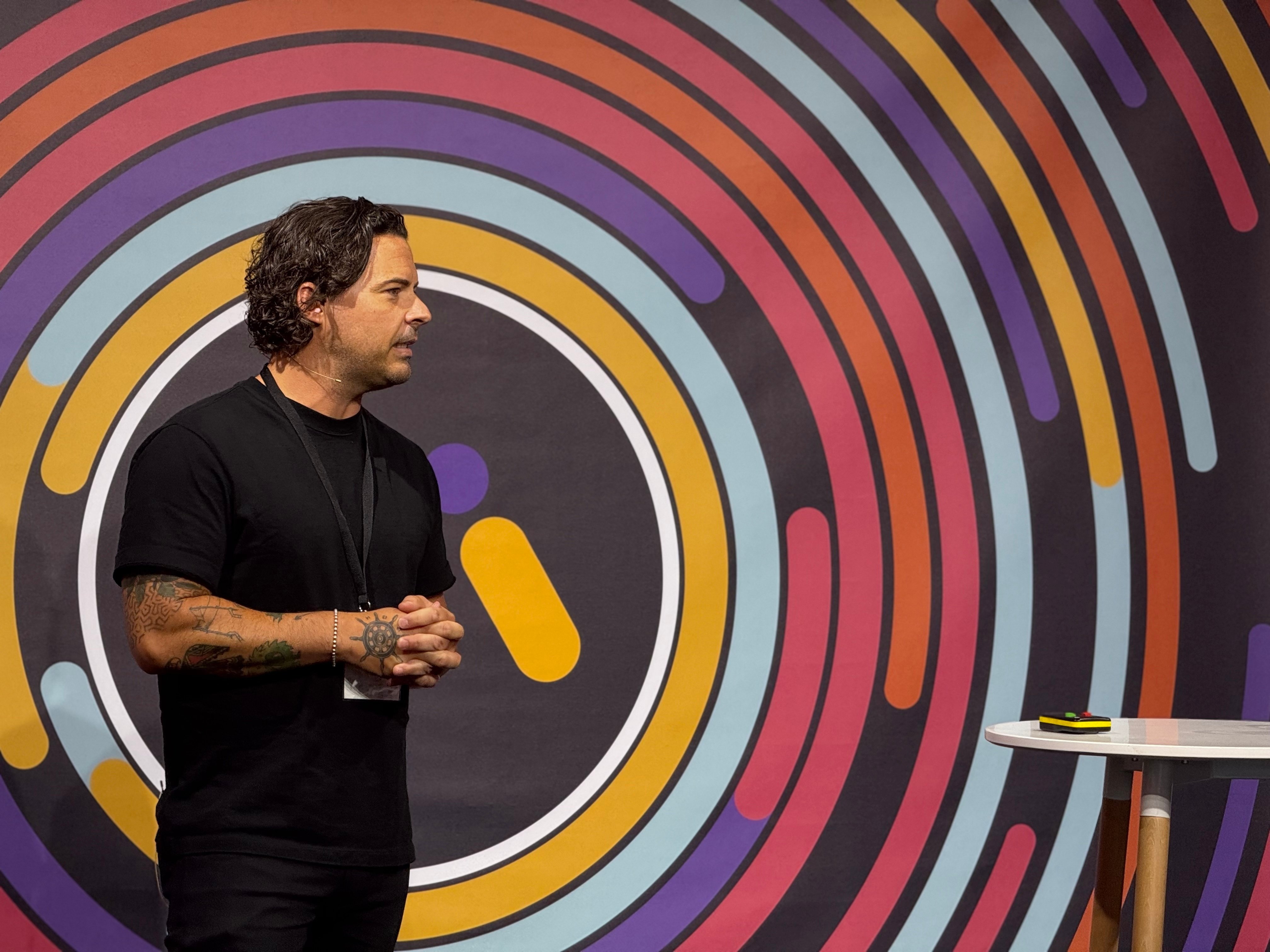
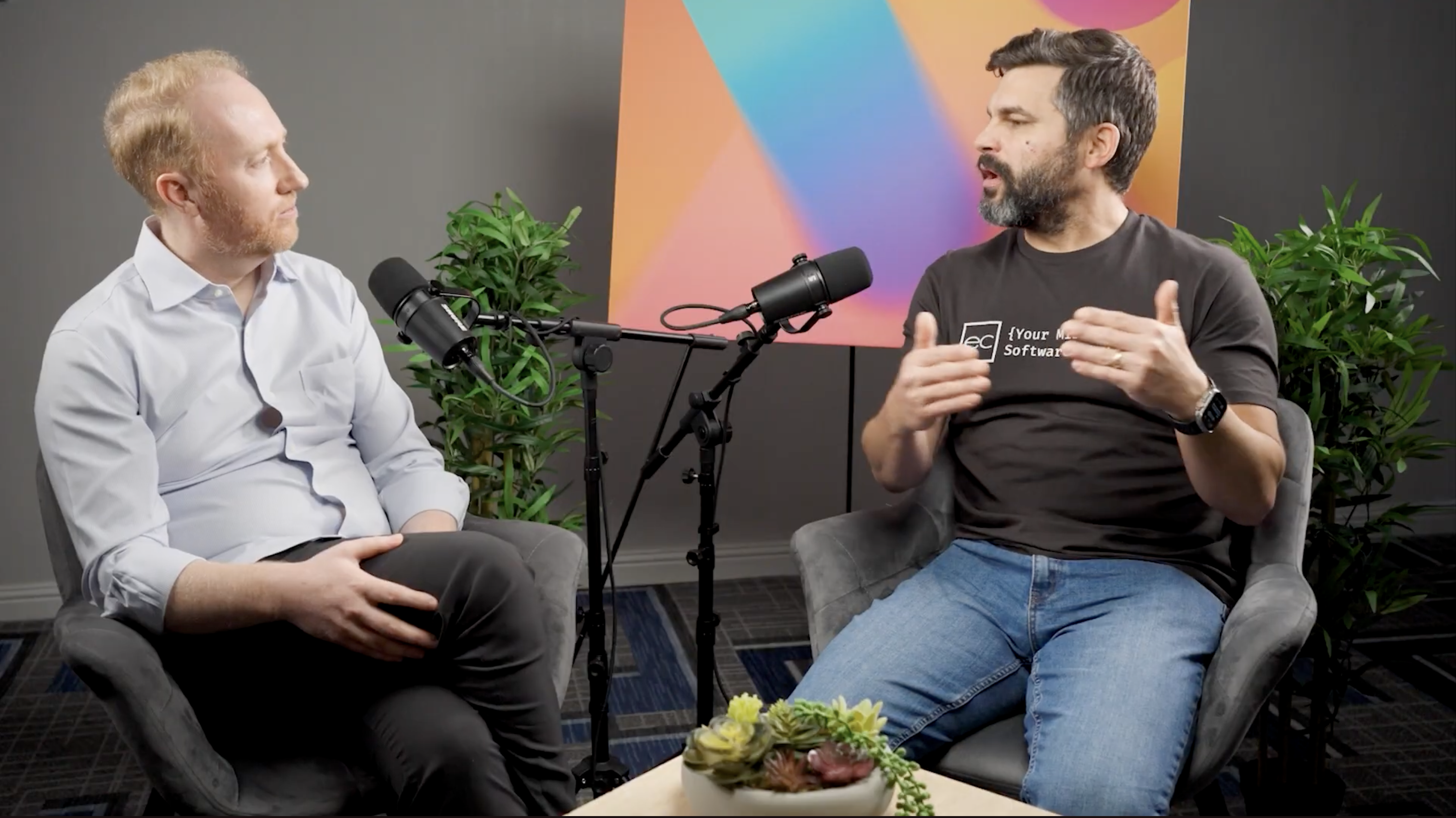
We sat down with Justin at Missional AI London 2025, where he also spoke on the main stage. In this episode, he explains how AI can spot at-risk donors before they leave and surface hidden opportunities for deeper engagement. He also makes the case that insights must serve authentic relationships, never replace them.
Giving that feels as easy as online shopping
Digital fundraising hasn't kept pace with e-commerce, so Funraise aims to make giving as familiar as buying something online.
Justin sees a fundamental problem in how nonprofits raise funds digitally. E-commerce has transformed how brands reach customers, but nonprofits haven't fully followed. Donors gravitate toward familiarity, so Funraise designs giving experiences that feel like shopping on Amazon or a favorite online store.
Two problems held nonprofits back. First, most legacy tools weren't built for nonprofits and miss important context, such as the information needed to process a donation well. Second, most nonprofits lack technical staff; optimizing the website often falls to an intern, a marketer or a fundraiser. Funraise's no-code tools let teams add and customize giving experiences without writing code, so organizations can operate as if they had web developers on staff.
AI insights: seeing what's hidden in your donor file
AI can surface donors who are drifting away and donors with untapped capacity, patterns that would be nearly impossible to spot by hand.
This is the area Justin is most excited about. Funraise Intelligence began as an analytics engine to help organizations make sense of the data they're sitting on. AI takes it further. A feature called AI Insights surfaces:
- Risks: donors at risk of leaving because their engagement or affinity has declined over time.
- Opportunities: donors giving at one level who could give two, three or four times more, with guidance on how to cultivate that relationship.
Guardrails: data that builds trust, not erodes it
Just because donor data is available doesn't mean every use of it is ethical, so Funraise builds in opt-in access and training on using insights well.
Much of this information is public, Justin notes, but public doesn't mean ethical. Funraise's guardrails include requiring users to opt in to these insights and training fundraisers to use them in ways that build trust.
His example: imagine a fundraiser telling a donor, "You gave $100, but you could give $10,000. Why aren't you?" That's off-putting and erodes trust. But a fundraiser responsible for a portfolio of a thousand relationships needs to know where to invest their time. Data doesn't make anyone give; relationships do. "You're the professional at building relationships," Justin says. The insights simply show you where to focus.
From status quo to FOMO
Nonprofits have long been cautious about new technology, but AI's speed and promise of more capacity have sparked unusual curiosity.
Historically, nonprofits have favored the status quo, wary of new technology because of cost or limited bandwidth. AI has changed that. Its pace has created a culture of FOMO: this isn't a tech revolution anyone wants to sit out. Part of the appeal is that AI promises stretched teams more bandwidth.
Funraise sees it in the numbers. When it launches a product, it measures time to value and adoption rate. Its AI products have seen adoption three to four times higher than anything it launched before.
The next frontier: solving retention
Justin believes AI can tackle one of the most persistent threats to nonprofits: losing donors faster than they can be replaced.
Ask a nonprofit CEO about retention and they'll often say it's good. Peel back the onion, and most are below 60%. It's very hard to build something sustainable while losing that many donors and that much revenue. Left unaddressed, Justin says, it can and does lead to the death of many nonprofits.
At the heart of the crisis is a lack of understanding of donors: their engagement, their giving history and what they need to stay connected. AI makes it possible to personalize communication and engagement at scale, and to know where each donor stands. Justin believes retention is one of the biggest problems AI can solve, and soon.
Justin's advice: help your team adapt
Justin points to a line often attributed to Nvidia CEO Jensen Huang: AI won't replace you, but someone who knows how to use AI will. The landscape is changing for every organization, for-profit or nonprofit. To survive, organizations must adapt, and that means helping their teams adapt. There are real concerns to address, Justin acknowledges, but he believes the upside outweighs the downside, and leaders who help their teams lean into that upside will make better progress on their mission.
Watch Justin's talk from Missional AI London
Justin first shared these ideas on the main stage at Missional AI London 2025, where this conversation was recorded. You can watch his talk in the Missional AI Video Library under London 2025, or in the London 2025 playlist on YouTube.
This episode builds on the retention problem he raised there. Watch it alongside this conversation for the full picture.
Listen and join the conversation
Listen to the full episode with Justin Wheeler on the Missional AI Podcast, and subscribe so you don't miss future conversations. Learn more about Funraise at funraise.org.
The Missional AI 2026 Global Summit takes place April 7–9, 2026, in Silicon Valley, the largest gathering of Christians working at the intersection of faith and AI. Registration is open, with early-bird pricing available now at missional.ai.
This episode was made possible in partnership with Gloo, the technology platform connecting the faith ecosystem.